
How Climate, Air Quality, and Seasonal Changes Trigger Allergies
Climate change has brought on many new challenges for our environment including extreme weatherpatterns. This is having an effect on our plant life and is contributing to the creation of extended pollenseasons with global warming. This means you may suffer symptoms for longer, so will have to takemedication, or practice avoidance and reduction measures for a longer period of time than in previousyears.1 Let’s talk about the connection between weather changes and allergic reactions in more detailand unpack some questions like whether there is such a thing as a cold weather allergy.
Allergies All Year Round: The Effects of Climate Change
As air pollution levels increase and the weather changes thanks to the effects of climate change, if you’re someone with allergic rhinitis; you might experience seasonal allergies year-round. Climate change can affect the growth of plants and cause them to flower early, prolonging pollen seasons and making your allergic reactions worse.2
So, if you’re prone to seasonal allergies, you might find you need to prolong your allergy treatment in order to manage your symptoms.1 Historically, it was a problem to take antihistamines for a longer period of time (a belief many still hold today), as first-generation antihistamines do cause drowsiness and affect cognitive function.3
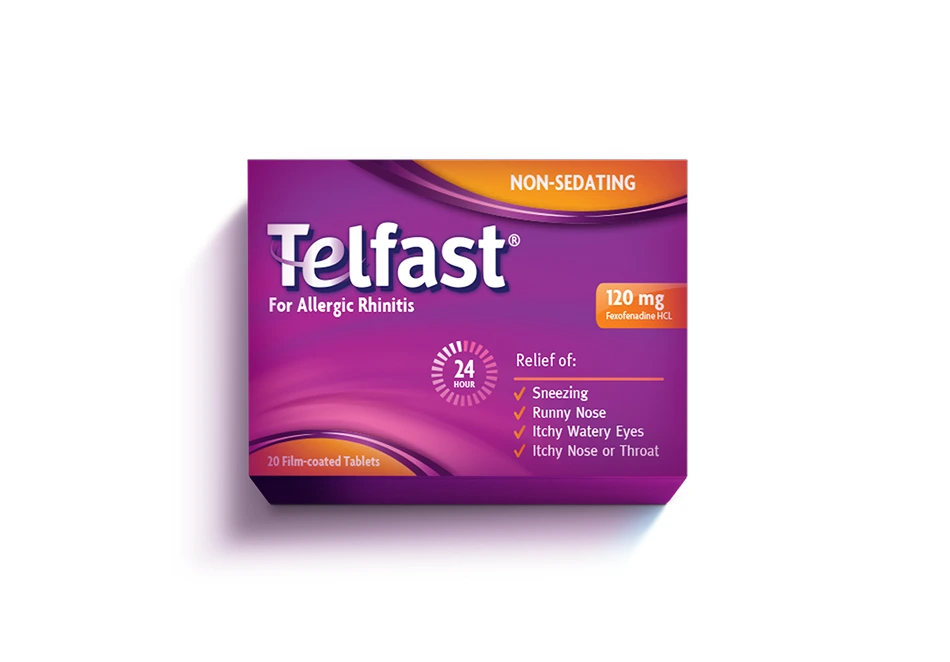
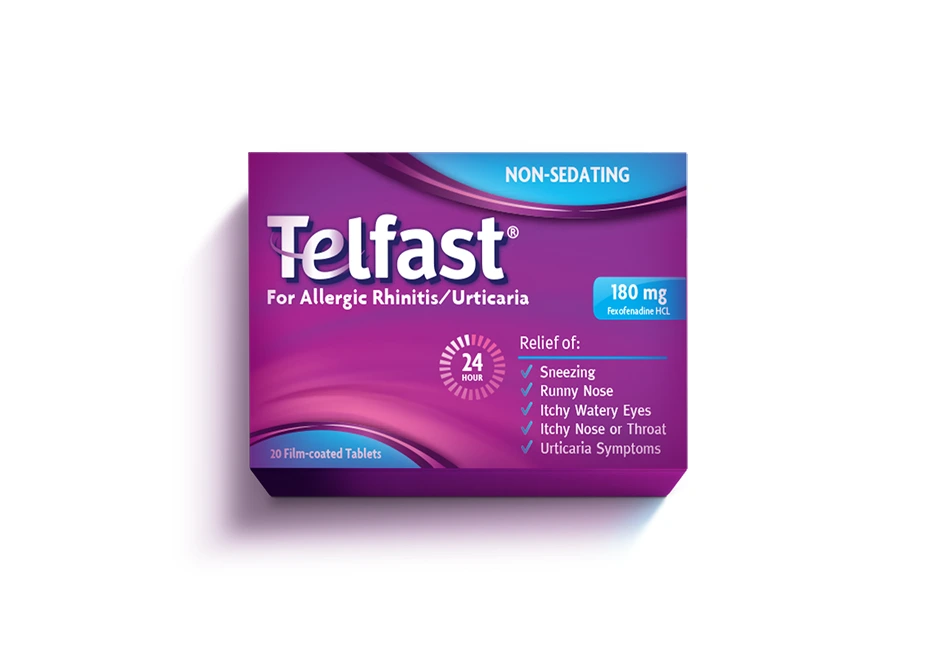
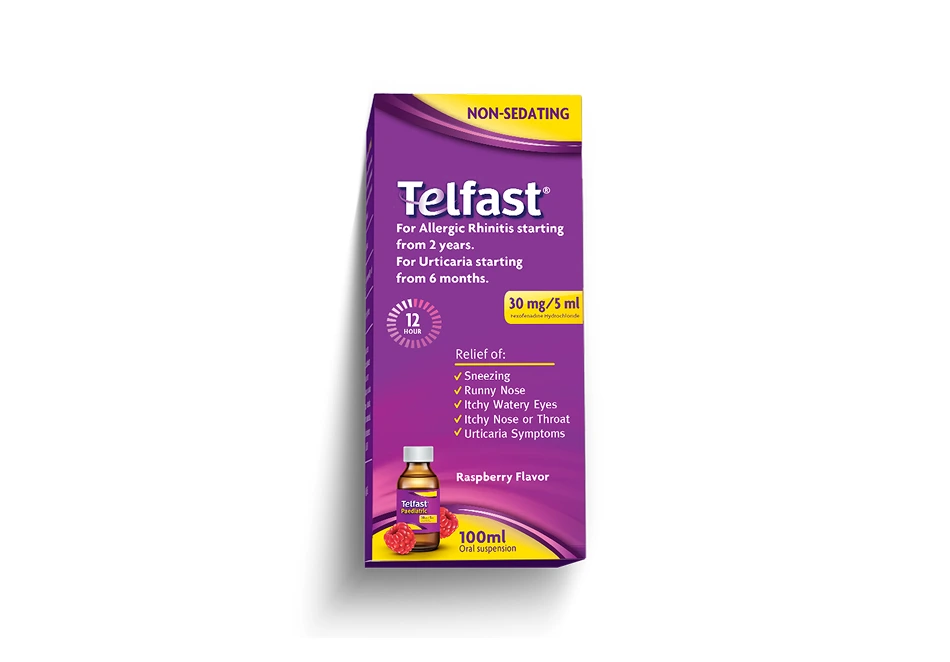
The good news is there are solutions that can help you with that. One of them is fexofenadine, a second-generation antihistamine. Fexofenadine is non-sedating, suitable for long-term use, and its effectiveness has been tested in several clinical studies.4 Fexofenadine is the active ingredient in Telfast, and it helps with both indoor and outdoor allergy relief so you can continue to enjoy life without constantly
The Effect of Air Quality on Allergies
Statistics now show that air pollution is the world’s second-largest risk factor for early death on a global scale.6 As the exposure to poor air quality is linked to Elevated risks for allergic rhinitis and hay fever symptoms.7
There are several types of air pollutants, and how you react to them doesn’t just depend on the length and level of exposure, but also on your individual health. The most common types of air pollutants include:8
- Car smoke: This type of pollutant comes from the emissions of cars and other vehicles.
- Smog: Smog mostly arises from power plants and refineries.
- Second-hand cigarette smoke: Although you might think cigarettes are too small to count toward pollution, they can affect the air quality around you.
Car smoke and other environmental chemicals
Car smoke, particularly diesel exhaust particles can aggravate allergic rhinitis and asthma. Other environmental chemicals can also trigger allergic reactions.9
Smog
It is classified as thick, atmospheric pollution formed by the reaction of pollutants with sunlight and atmospheric conditions. Smog consists of harmful substances such as nitrogen oxides, sulphur dioxide, carbon monoxide, and fine particulate matter.10
Prolonged exposure to smog leads to respiratory diseases such as asthma, bronchitis, lung cancer, or developing allergies.10
Smoking
Exposure to tobacco smoke can influence innate immunity towards a pattern of respiratory diseases,It can also cause a worsening in symptoms and severity of asthma and rhinitis.11
Air conditioning and indoor air quality
Air conditioning systems can become a dust and dust mite haven. Dust particles and mitesaccumulate in ducts, filters, and vents if the system isn’t cleaned regularly. When the air conditionerruns, it circulates these tiny particles throughout your home, and sensitive people can react.Sneezing, a runny nose, and itchy eyes are common symptoms of exposure to these allergens.12
Air conditioning systems are great but can harbor and circulate allergens that can harm your health.Knowing what allergens are associated with these systems allows you to prepare to deal with themand improve indoor air quality.12
Climate change
As climatic conditions change, more frequent and intensifying weather and climate events are observed, including storms, extreme heat, floods, droughts and wildfires. These weather and climate hazards affect health both directly and indirectly, increasing the risk of deaths, noncommunicable diseases, the emergence and spread of infectious diseases, and health emergencies.13
Changes in the climate affect the air we breathe both indoors and outdoors. Warmer temperatures and shifting weather patterns can worsen air quality, which can lead to asthma attacks and other respiratory and cardiovascular health effects.14 Wildfires, which are expected to continue to increase in number and severity as the climate changes, create smoke and other unhealthy air pollutants.14
Rising carbon dioxide levels and warmer temperatures also affect airborne allergens, such as ragweed pollen.14
When to See a doctor?
It may be time to pay a visit to your doctor to address your allergies when you experience the following:15
- You have allergic rhinitis and your symptoms get worse.
- Over-the-counter medications haven’t helped.
- Your symptoms are affecting your sleep and everyday life.
- You're not sure what's causing your symptoms.
FAQs
What are the symptoms of being allergic to smoke?
Although smoke isn’t actually an allergen, It can also cause a worsening in symptoms and severity of asthma and rhinitis.11
Learn more about the symptoms of respiratory and seasonal allergies.
Can air conditioning give you allergies?
Air conditioning systems can harbor and circulate allergens that can harm your health. When the air conditioner runs, it circulates tiny dust particles throughout your home, and sensitive people can react.
Find your Telfast®
Recommended Reading



References
- Climate Change and Allergies. Allergy UK. Available at: https://www.allergyuk.org/climate-change. Last accessed: 13-3-2025.
- Luschkova D, Traidl-Hoffmann C, Ludwig A. Climate change and allergies. Allergo J Int. 2022;31:114–120.
- Kay GC. The effects of antihistamines on cognition and performance. J ALLERGY CLIN IMMUNOL. 2000;105(6):pS622-S627.
- Suzanne G. Meeves, PharmD, MBA, and Sireesh Appajosyul. Efficacy and safety profile of fexofenadine HCl: A unique therapeutic option in H1-receptor antagonist treatment. Anti-Allergic Properties of Antihistamines. 2003;112(4): Supplement S69-S77.
- Egyptian drug authority. Telfast oral suspension 30mg/5ml. Approval date: 25-6-2023.
- Health Impacts of Air Pollution. state of global air. Available at: https://www.stateofglobalair.org/hap
- Environmental Allergies. Allergy UK. Available at: https://www.allergyuk.org/living-with-anallergy/environmental-allergies
- Air Pollution and Your Health. NIH. Available at: https://www.niehs.nih.gov/health/topics/agents/airpollution.
- Sydbom A, Blomberg A, Parnia S, Stenfors N, Sandström T, Dahlén S-E. Health effects of diesel exhaust emissions. European Respiratory Journal. 2001;17(4): 733-746.
- What Is Smog – Definition, Effect and Causes Of Air Pollution. Available at: https://airly.org/en/smog-definition-effects-and-causes
- Gómez RM, Croce VH, Zernotti ME, Muiño JC. Active smoking effect in allergic rhinitis. Gómez et al. World Allergy Organization Journal. 2021;14:100504.
- Are You Allergic to Your Air Conditioning System? Available at: https://parametric-architecture.com/beingallergic-to-airconditioning
#:~:text=Dust%20particles%20and%20mites%20accumulate,of%20exposure%20to%20these%20allergens. - Climate change. WHO. Available at: https://www.who.int/news-room/fact-sheets/detail/climate-changeand-health.
- Climate change impact. Available at: https://climatechange.chicago.gov/climate-impacts/climate-impactshuman-health.
- Allergic rhinitis. NHS. Available at: https://www.nhs.uk/conditions/allergicrhinitis/#:~:text=See%20a%20GP%20if%3A,sure%20what's%20causing%20your%20symptoms
Approved by Egyptian Drug Authority: HF0253OA3948/072025. Invalidation date: 28/07/2027. Kindly report any violated online promotional, educational and awareness material not having this message to The General administration for Regulation of Marketing & Advertising Materials at: www.edaegypt.gov.eg

HF0253OA3948/072025
28/07/2027