Acute and chronic hives and skin allergies
Learn the differences between acute and chronic hives and how to manage skin allergies effectively.
Skin problems such as eczema (dry, red, itchy skin) and urticaria (also known as hives) often occur. Hives are white itchy bumps which look and feel like insect bites. Food may be a factor in some cases of hives and eczema.1
What is urticaria?
Urticaria is characterized by a skin lesion that causes itching and affects many allergy sufferers, significantly impacting their quality of life.
What are the types of hives (urticaria)?
Urticaria is classified according to the time elapsed since the onset of clinical manifestations. Acute urticaria is when signs and symptoms have been present for less than 6 months. When symptoms persist for more than 6 weeks, it is considered chronic urticaria2.
What are the main symptoms?
In addition to the presence of red spots, even plaques, and itchy skin, blisters and a sensation of intense heat in the area are also possible. In some cases, the person may also experience fever, sweating, neurological problems, kidney problems, and joint pain.
How to treat urticaria?
For an effective treatment, in addition to identifying the causative agent (food, stress, insect bites, etc.), some antihistamine medications may also be recommended, such as Telfast® 180mg, which is fast acting and lasting for 24 hours, and non-drowsy3.
In case of symptoms, it is important to always consult a doctor.
Find your Telfast®

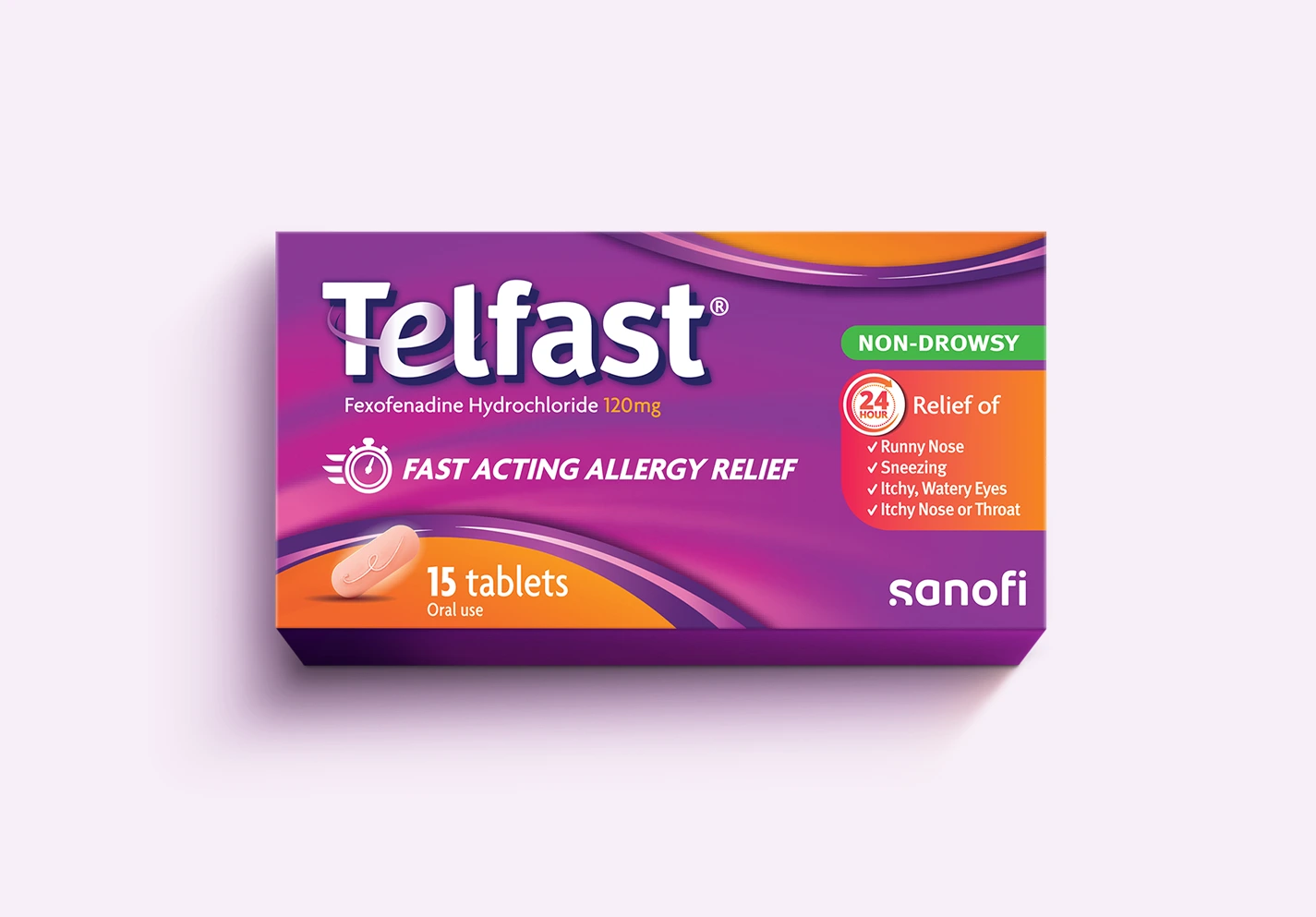
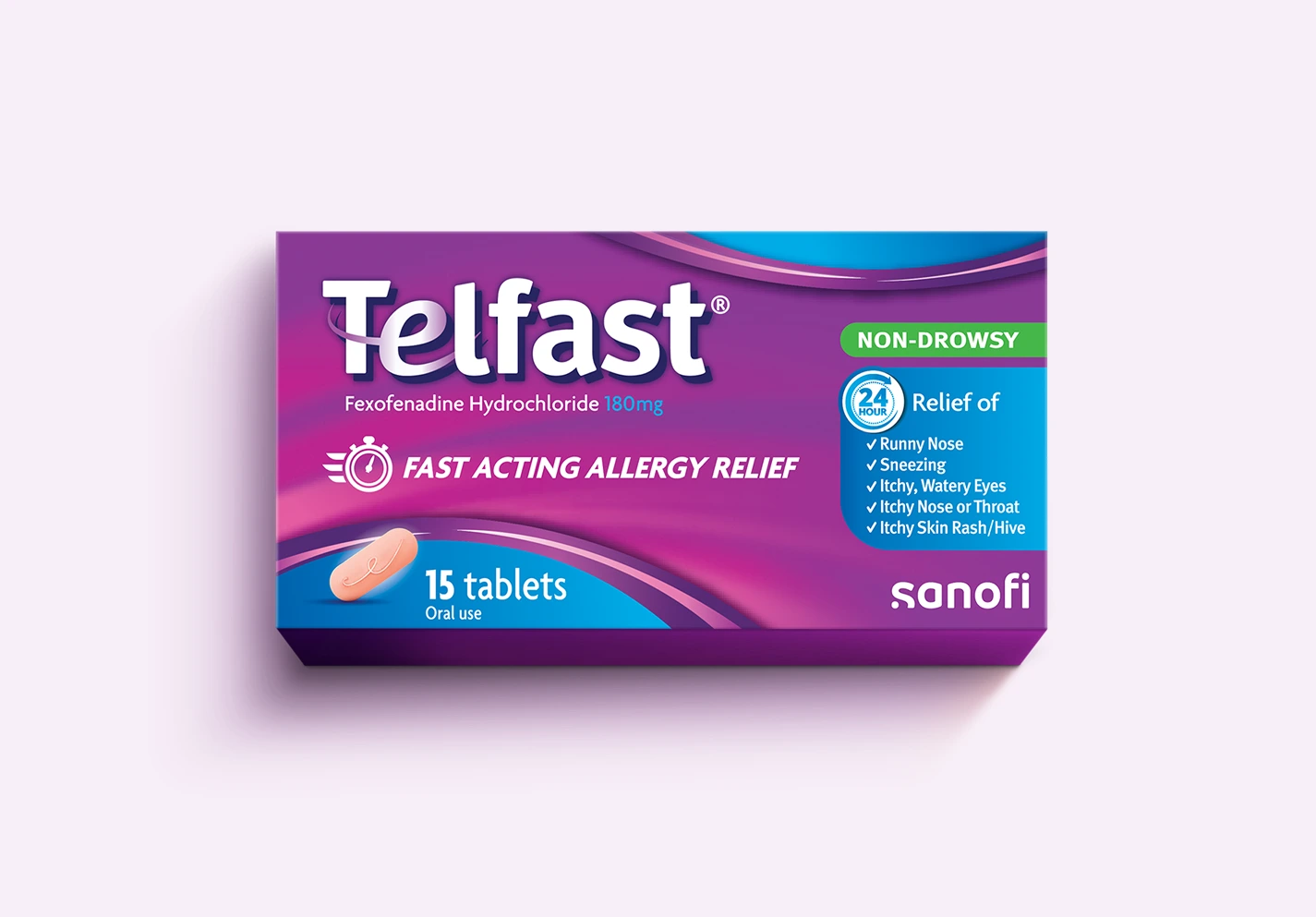
Telfast® 180mg - Seasonal Allergic Rhinitis and Hives Relief
- Adult
- Tablets
- 24-hours
- Allergy Relief
- Hives
Recommended Reading




References
- ASCIA Australasian Society of Clinical Immunology and Allergy. What is allergy. www.allergy.org.au. 2017
- American College of Allergy, Asthma & Immunology. Hives (Urticaria). www.acaai.org. 2014
- Telfast 180mg Gulf PIL – last revised November 2020