What is the relationship between allergic rhinitis and sinusitis?
Understand the link between allergic rhinitis and sinusitis and how managing one can improve the other.
It is known today that allergic rhinitis can go hand in hand with sinusitis and that it can even be a risk factor for the problem, as it tends to cause swelling in the nasal mucosa, favoring the accumulation of mucus, which facilitates the colonization of the sinuses by bacteria and viruses, characterizing sinusitis¹.
However, for this reason, people with an ongoing rhinitis condition with nasal congestion and accumulation of secretion² may believe that they actually have sinusitis. But it often means they have an allergic rhinitis condition with nasal obstruction² that was not treated properly and triggered more uncomfortable symptoms, such as headache and hearing difficulty³.
Thus, ideally one should learn to identify how each disease manifests itself so as not to get confused. See below the differences between each of them and how the treatment is done.
What is allergic rhinitis?
Allergic rhinitis, as the name implies, happens when the body comes into contact with some allergenic substance, such as dust, mites, fungi, insects, pollen, animal fur, among others. It occurs because allergens cause inflammation in the nasal mucosa.
What are the symptoms of allergic rhinitis?
The most common symptoms of allergic rhinitis are:
- Sneezing1
- Nasal congestion and/or obstruction1
- Clear and abundant coryza1
- Itchy nose, eyes, and ears1
- Lacrimation1
Allergic rhinitis usually only affects the nose and not the sinuses, and it does not cause a fever. Therefore, if these signs appear soon after contact with an item that causes allergies, it may be allergic rhinitis3.
How to treat sinusitis:
Therefore, to treat viral sinusitis, for example, it is not enough to use antiallergic drugs, as they act in cases where the condition is caused by an allergy2.
- In the case of sinusitis due to bacterial infection, the use of specific antibiotics may be necessary, always under medical advice. In addition, the specialist may recommend short-term use of nasal decongestants, as well as nasal washing with saline solution, such as physiological serum2.
What is sinusitis?
Sinusitis, also called rhinosinusitis, is an inflammation of the mucous membranes of the sinuses, as well as the nasal mucosa. Although the inhalation of allergenic substances influences the condition, sinusitis can also occur due to viral, bacterial, or fungal infections6.
The disease can be either acute, when it lasts for less than 12 weeks, or chronic, when symptoms persist for longer6.
What are the symptoms of sinusitis?
- Nasal obstruction2
- Nasal secretion2
- Loss or reduced sense of smell2
- Fever2
- Facial pressure on affected regions2
- Fever (more common in cases of acute sinusitis)2
It is estimated that viral sinusitis is the most prevalent in the population and that up to 10% of these cases can progress to bacterial infections6. Physicians begin to suspect this alteration when the symptoms persist for more than 10 days or worsen after five days6.
How to prevent and treat allergic rhinitis?
To prevent the emergence of rhinitis, the recommendation is to avoid contact with whatever causes the allergy. For that, it is necessary to be extra careful with the cleanliness of the home, avoiding the accumulation of dust, since, in addition to several allergenic substances, it is also home to mites, the microorganisms that are champions in causing the condition. Changing the sheets regularly is also another measure to prevent flare-ups since mites can breed there, as they also feed on the skin fragments present in the fabric4.
The use of antihistamine medications also relieves allergy symptoms. Second-generation antiallergics are safe and do not cause drowsiness. Allegra® (fexofenadine hydrochloride), for example, is part of this group of modern antihistamines5. But for the indication of any drug treatment, the recommendation is to seek a specialist.
Find your Telfast®

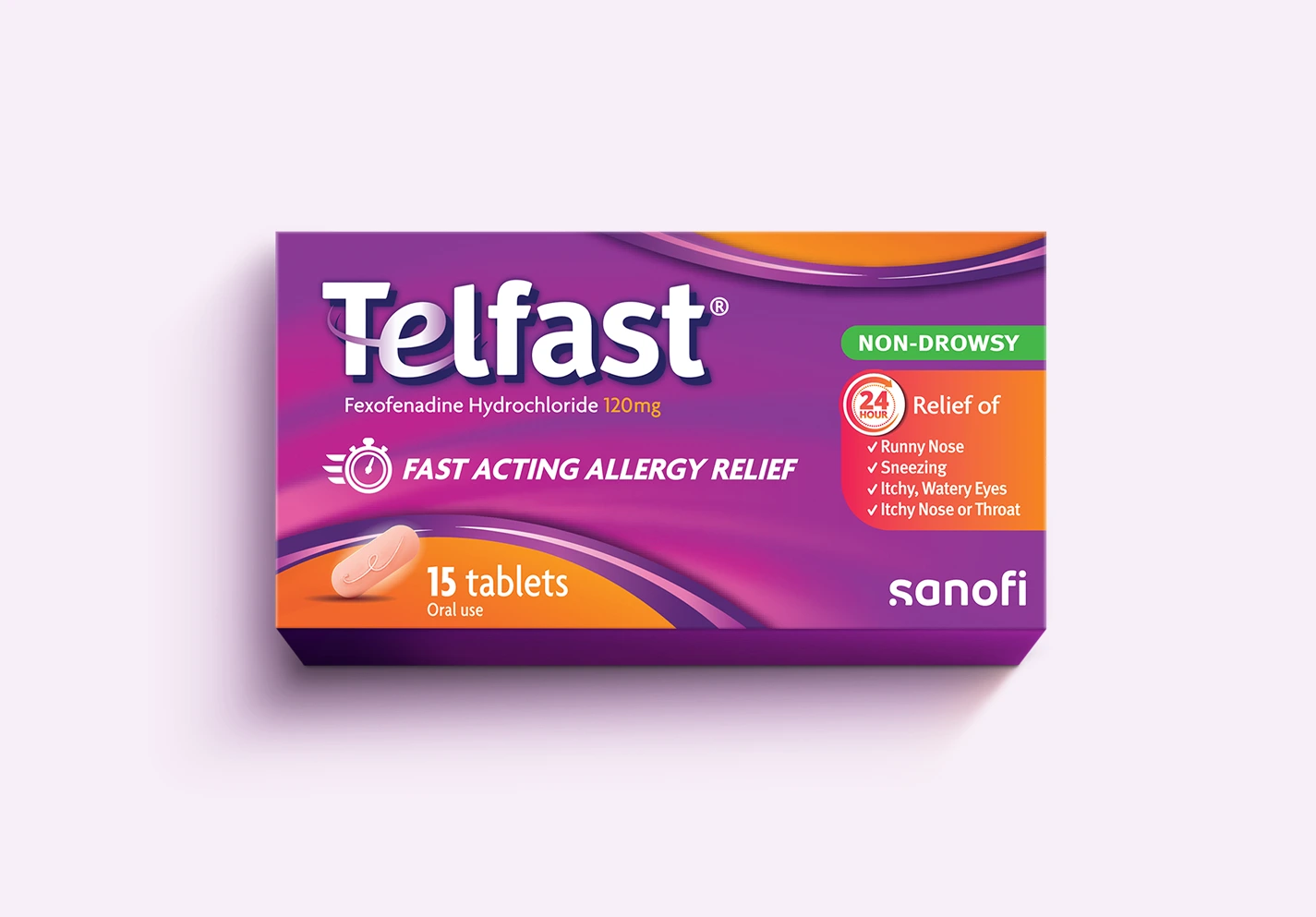
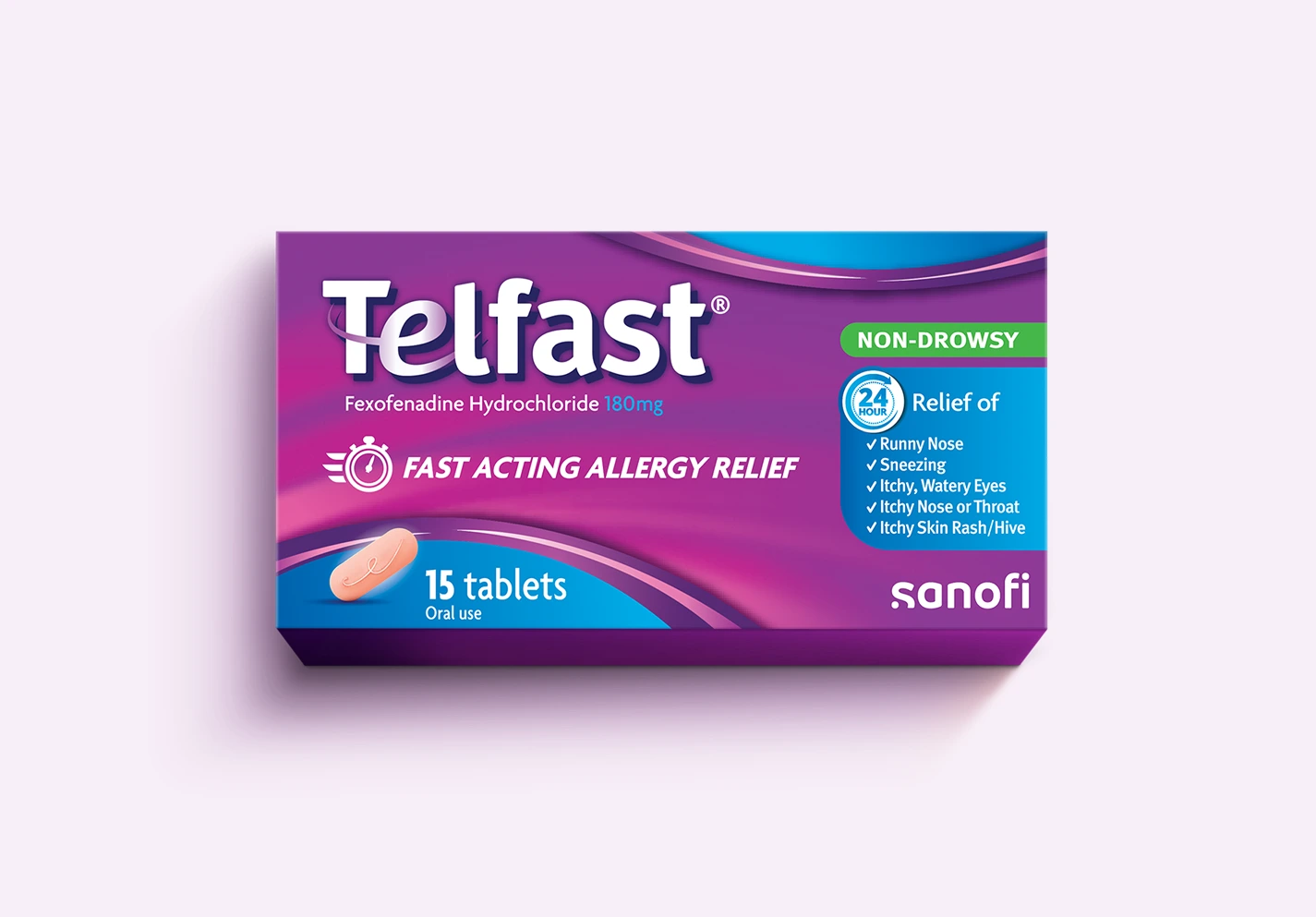
Telfast® 180mg - Seasonal Allergic Rhinitis and Hives Relief
- Adult
- Tablets
- 24-hours
- Allergy Relief
- Hives
Recommended Reading
Get information about allergies and advice on relieving symptoms so you can live your greatness.




*Allergic rhinitis and hives.
References
- Official Body of the Brazilian Society of Otorhinolaryngology and Head and Neck Surgery. IV Brazilian Consensus on Rhinitis. Brazilian Journal of Otorhinolaryngology. Available at: https://www.aborlccf.org.br/imageBank/consenso-Rinite-4-01-11-2017.pdf. Retrieved May 27, 2020.
- Osguthorpe. J.D. Adult Rhinosinusitis: Diagnosis and Management. Medical University of South Carolina, Charleston, South Carolina. American Family Physician. 2001 Jan 1;63(1):69-77.
- Brazilian Pediatrics Society. Health Care - Allergic Rhinitis. Available at: https://www.sbp.com.br/especiais/pediatria-para-familias/noticias/nid/rinite-alergica. Retrieved May 27, 2020.
- Fassio, F., Guagnini, F. House dust mite-related respiratory allergies and probiotics: a narrative review. Clinical and Molecular Allergy, jun 19 - 16: 15. doi: 10.1186/s12948-0180092-9.
- Telfast Gulf PIL – last revised November 2020
- Brazilian Guidelines on Rhinosinusitis. Brazilian Journal of Otorhinolaryngology. São Paulo - 2008 - vol.74 nº2. Available at: http://www.scielo.br/scielo.php?script=sci_arttext&pid=S0034-72992008000700002. Retrieved May 27, 2020.