
Helping Children with Indoor Allergies
Learn how to reduce indoor allergens and protect children from allergy symptoms.
For kids dealing with indoor allergies, home can mean an extravaganza of uncomfortable symptoms. That’s because allergic triggers can be tucked into just about every nook and cranny. No exaggeration: the kitchen, bathroom, closets, beds, pets, and even toys can all be sources of allergens.
- Allergies are among the most common health issues affecting children in the U.S. In fact, 7.2% of children were diagnosed with hay fever in 2018.1
But there’s plenty more you can do around the house to reduce allergens and maximize their comfort. This starts by keeping your home free of — or at least minimizing — allergens. Allergies happen when a body detects an allergen. The body produces antibodies, which produce allergic symptoms.2
The most typical symptoms of indoor allergies include:2
Allergies happen when a body detects an allergen. The body produces antibodies, which produce allergic symptoms. The most typical symptoms of indoor allergies include:2
- Sneezing
- Runny nose
- Itchy or watery eyes
First, see a doctor
If indoor allergies are making life uncomfortable for your child, start by making an appointment with their pediatrician or an allergist. A doctor will be able to run tests to see if your child has a sensitivity to one or more of the most common indoor allergens.
Eliminate allergy triggers and make things a little less sneezy
Once allergies are confirmed, here’s what to do: Clean house!
Allergens are practically everywhere. So the best way to get rid of symptoms is to get rid of the triggers. Here are the most common places to find them:3
- Damp and humid areas
- Indoor plants
- Pets
- Pillows and bedding
- Plush furniture
- Plush toys
- Unsealed mattresses
- Wall-to-wall carpet
What you can do about indoor allergens
Obviously, adding a bunch of new cleaning chores may not be practical. But you can use this list as a place to start:
Control dust mites3
- Use low-pile carpets, washable rugs, hardwood, linoleum, or tile
- Put sealed, allergen-resistant covers on pillows and mattresses
- Wash bedding, pillows, and stuffed toys in water that’s at least 55°C; dry them in a hot dryer
Reduce mold1,3
- Use dehumidifiers to reduce moisture in the bathroom, kitchen, and basement
- Fix leaks quickly
- Remove mold from hard surfaces
Minimize pet dander3
- Before getting a pet, ask an allergist to determine if your kids are allergic
- Keep pets out of the bedroom
- Wash and change pet beds and toys often
Keep the air clean3
- Increase the flow of outdoor air
- Use air cleaners with certified allergy and asthma filters
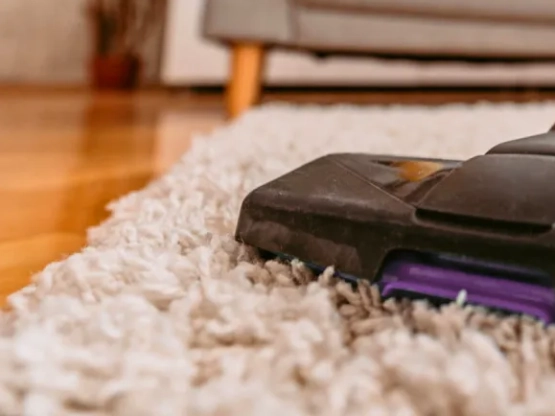
- Vacuum frequently with certified allergy and asthma filters
Control cockroaches1,3
- Cover food, garbage, and recyclables; take things out quickly
- Wipe surfaces, vacuum, and sweep after meals
- Clean under stoves, refrigerators, or toasters where crumbs can accumulate
Find your Telfast®

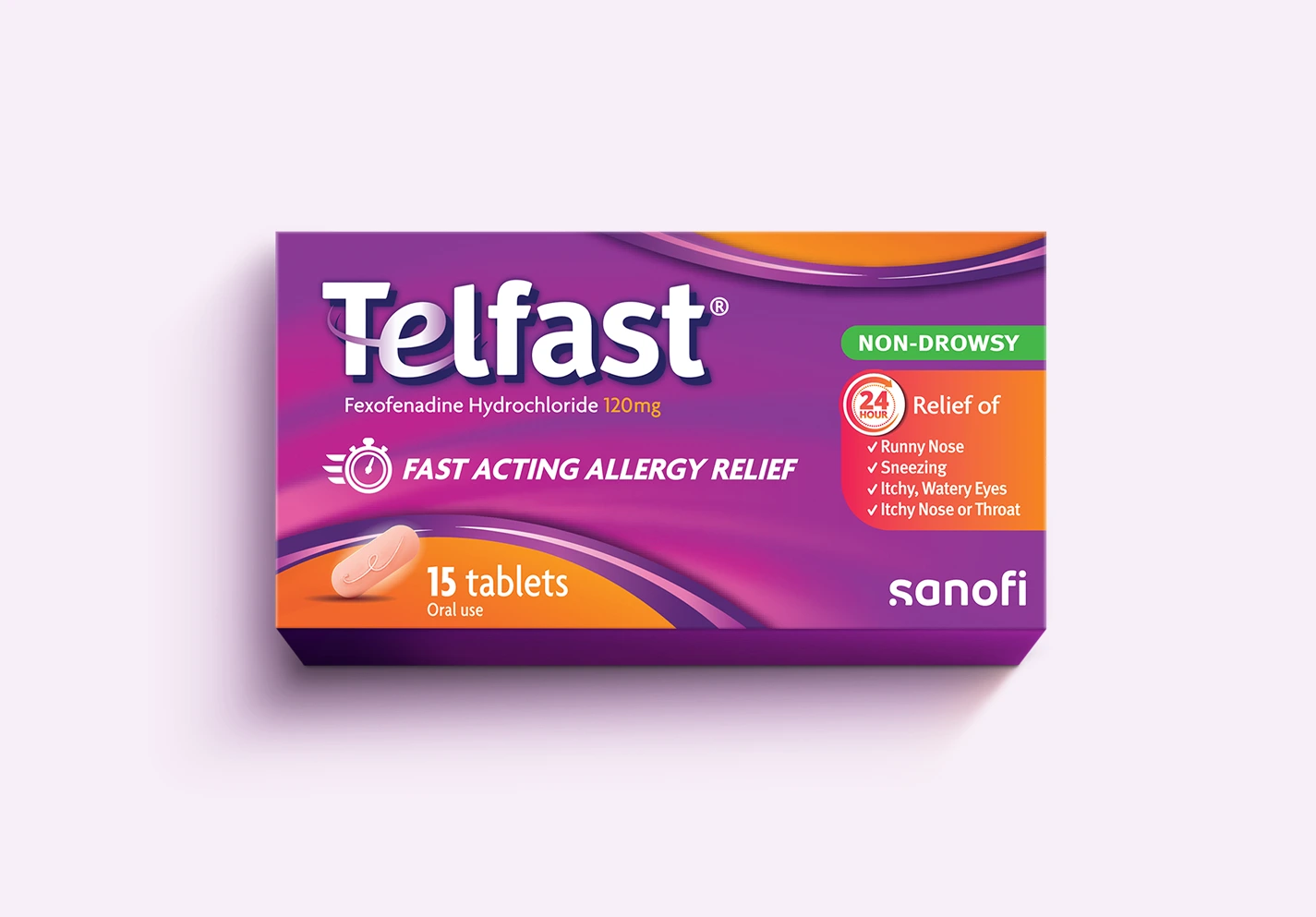
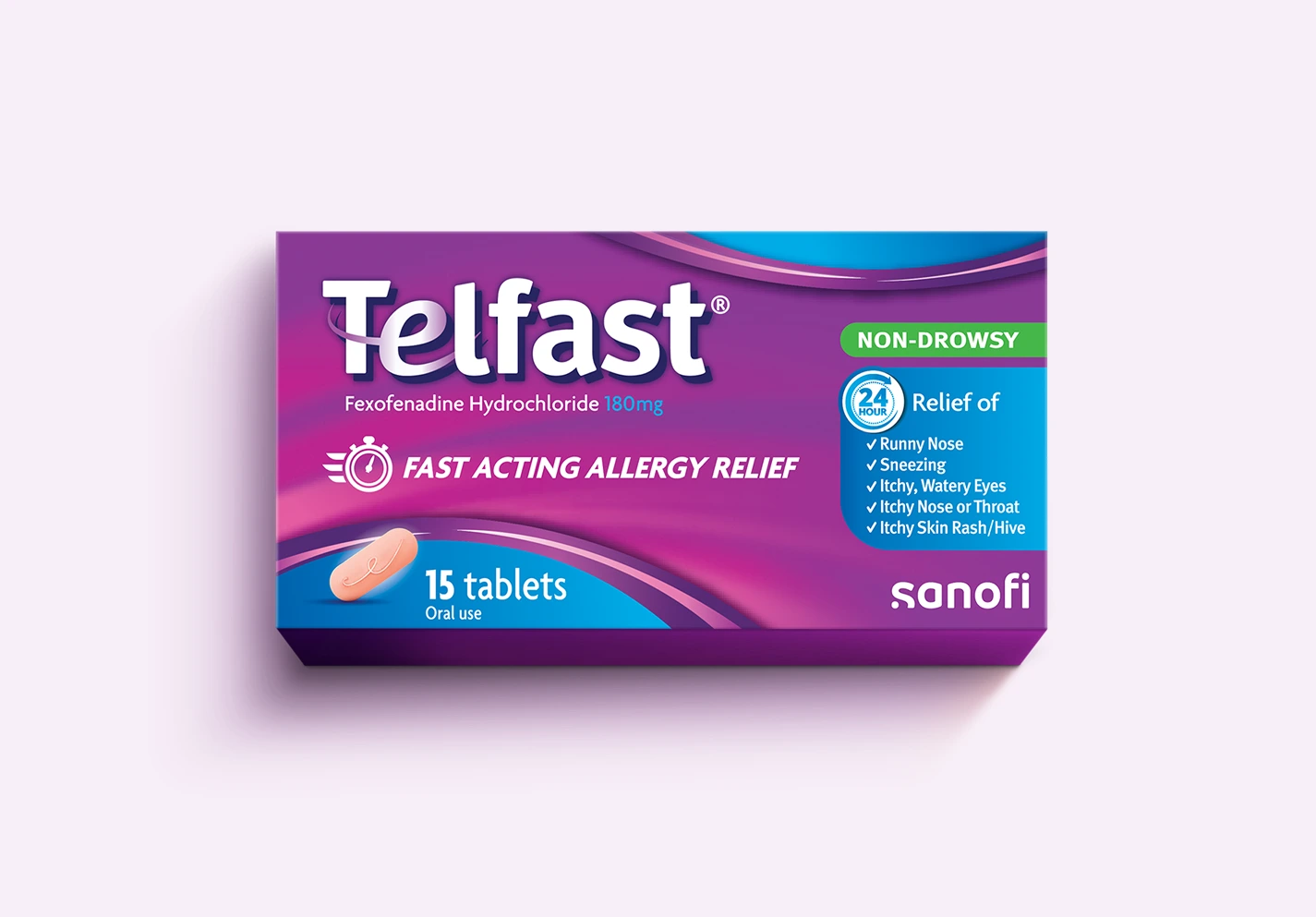
Telfast® 180mg - Seasonal Allergic Rhinitis and Hives Relief
- Adult
- Tablets
- 24-hours
- Allergy Relief
- Hives
Recommended Reading



References
- Asthma and Allergy Foundation of America, Editors. Allergy Facts and Figures, Asthma and Allergy Foundation of America [aafa.org], 2021. Reviewed on Oct. 5, 2021.
- Andrew Moore, MD, reviewed. Indoor Allergens, American Academy of Allergy, Asthma & Immunology [aaai.com], February 28, 2020. Reviewed on Oct. 5, 2021.
- Asthma and Allergy Foundation of America, Editors. Control Allergens to Improve Indoor Air Quality, Reviewed by Medical Scientific Council, 2015. Reviewed on Oct. 5, 2021.